Brisbane’s climate is hard on roofs. Storm season brings heavy downpours and high winds. Summers are brutal. Heat causes mortar to crack and tiles to shift. Then there are the dry westerly winds in August that can quietly lift ridge capping and loosen tiles before the first spring storm arrives.
So how often should a roof inspection be carried out? The short answer: at least once a year for most Brisbane homes, and twice a year if your roof is older, has a tiled surface with mortar bedding, or sits in a storm-prone area. Plus an additional check after any significant weather event.
In this article, we’ll give you a clear inspection schedule, a practical checklist of what to look for, and help you understand when a DIY check is enough, and when it’s time to call a professional roofer.
The Recommended Roof Inspection Schedule for Brisbane Homes
There’s no single answer that applies to every home, but there is a clear framework based on your roof’s age, type, and exposure.
Baseline: Once per year
Most Brisbane homes should have a professional roof inspection at least once every 12 months. Annual inspections are enough to catch deteriorating mortar, early tile cracking, and valley or flashing issues before they turn into leaks.
Higher-risk roofs: Twice per year (spring + autumn)
Consider moving to a twice-yearly schedule if your home is:
• More than 20 years old
• A concrete or terracotta tile roof with mortar bedding (which degrades faster than the tiles themselves)
• In an area with heavy tree cover, overhanging branches drop debris into valleys and gutters
• In a suburb that regularly sees storm activity or high winds
Always inspect after significant weather events
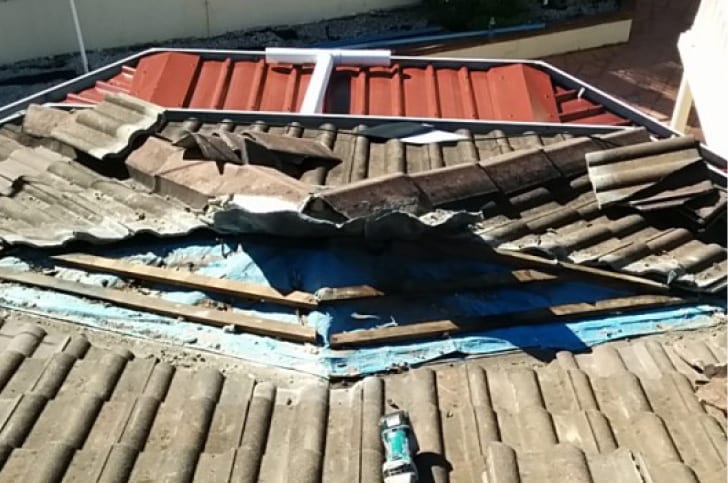
Regardless of your annual schedule, a post-storm check should always follow any hail event, severe thunderstorm, or prolonged period of high winds. Storm damage that goes undetected often leads to hidden leaks that cause far more damage than the original weather event.
Here’s a simple Brisbane roof inspection calendar to work from:
| When | Timing | Why |
|---|---|---|
| Spring | September – October | Pre-storm season prep. Check tiles, ridges, valleys, and gutters before Brisbane’s storm season kicks in. |
| Autumn | March – April | Post-storm assessment. Identify damage from summer storms before the cooler, drier months. |
| Winter | August (westerlies) | A quick check for loose tiles and ridge capping after Brisbane’s dry westerly winds, which can lift and shift tiles. |
| After storms | Within a few days of any significant event | High winds, hail, or heavy rain can cause tile displacement, debris blockages, or hidden leaks that worsen with the next downpour. |
What Changes How Often You Should Inspect Your Roof?
Several factors can push you toward more frequent roof inspections. Here’s what matters most:
Roof Age
A newer roof (less than 10 years old) in good condition with no significant weather events may be fine with an annual check. Roofs over 20 years old, particularly concrete tile roofs where the mortar is ageing, are more likely to develop issues between inspections and benefit from twice-yearly checks.
Roof Type and Material
Concrete and terracotta tile roofs have specific weak points: ridge capping mortar (which cracks and lets water in at the highest point of the roof), valley junctions (where water volume is highest), and flashings around penetrations. These deteriorate at different rates depending on sun exposure, rainfall, and maintenance history, and they benefit from more frequent monitoring than, say, a newer metal roof.
Trees and Vegetation
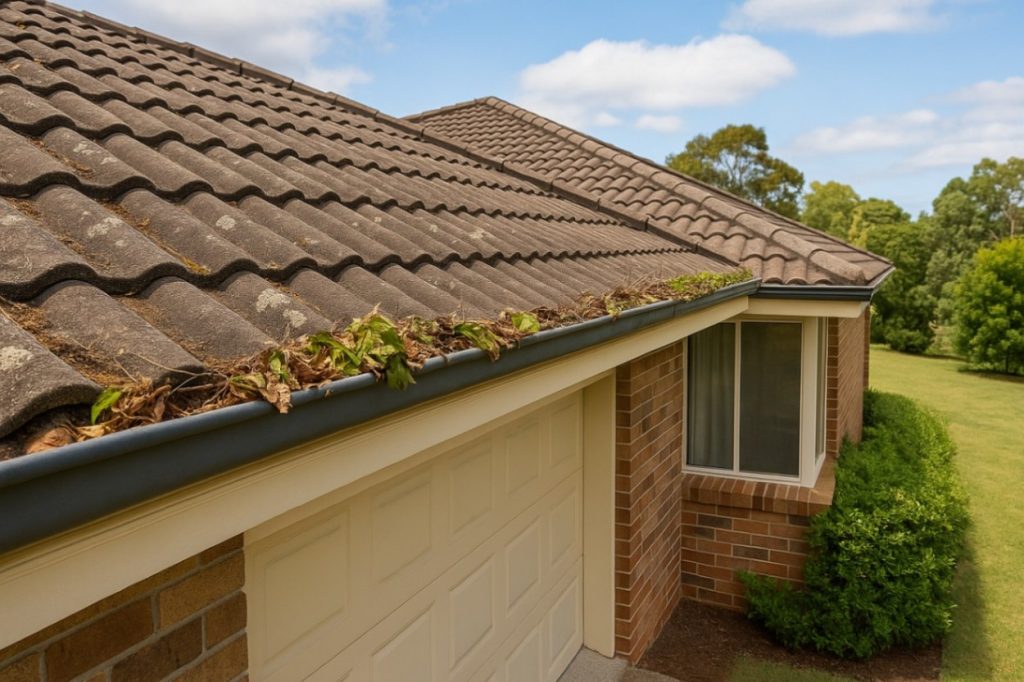
Overhanging trees drop leaves, branches, and organic debris that build up in valleys, on tiles, and in gutters. Debris creates blockages that redirect water under tiles, accelerates moisture retention and mould growth on tile surfaces, and can mask cracked or slipped tiles. If your home has significant tree cover, inspect more frequently, and consider clearing debris between professional inspections.
Recent Roof Work or Solar Panels
Any penetration of the roof surface, such as solar panel installation, creates new points of potential failure. It’s worth getting an independent roof inspection both before and after significant roof work or installations to confirm everything has been correctly sealed, and no existing tiles were damaged during access.
DIY Roof Checks vs Professional Roof Inspections
You don’t have to be a roofer to keep an eye on your roof, but there are clear limits to what a homeowner can safely and reliably assess.
What you can check yourself (from the ground):
What you can check inside the home:
Important safety note: Do not climb onto your roof without proper training, footwear, and safety equipment. Tile roofs are slippery when wet and often fragile. Falls from roofs are a leading cause of serious injury for homeowners attempting DIY roof inspections. Leave the on-roof checks to a licensed professional.
When to call a professional:
Roof Inspection Checklist — What to Look For
Whether you’re doing a quick visual check from the ground or preparing for a professional inspection, here’s what should be on the list:
Inside the Home
From the Ground Outside
What a Professional Checks Closely
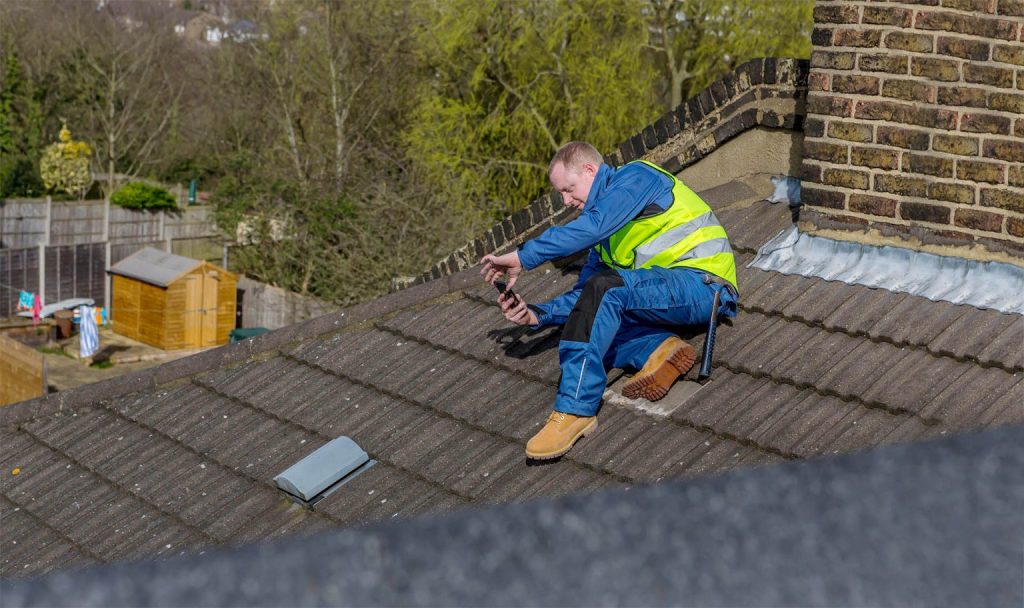
A professional inspection documents all of this with photos, so you can see exactly what’s been found, understand the severity, and make an informed decision about any repairs.
When You Should Book A Roof Inspection Immediately
Your annual schedule aside, certain situations call for getting someone on the roof as soon as possible:
Do Roof Inspections Help with Insurance Claims?
In our experience, homeowners who have a documented inspection and maintenance history are in a better position when making storm damage claims. Here’s why:
We always recommend contacting your insurer as soon as possible after a storm event, and before any permanent repairs are carried out. We can provide a written inspection report with photos to support your claim. Every policy is different, so review your specific coverage with your insurer for advice on what’s claimable.
Book a Free Roof Inspection in Brisbane
If you’re not sure when your roof was last professionally inspected, or if it’s been over 12 months, now is a good time to get it checked. The Roof Man offers free roof inspections across Brisbane and the southside suburbs.
We go up on the roof, photograph what we find, and come back to you with a plain-English explanation and a clear quote if any work is needed. No pressure, no obligation, just a straight-talking assessment from an experienced Brisbane roofer.
QBCC Licence: 1064213
FAQ