Tile Roof Repair Brisbane homeowners keep putting off is rarely as minor as it first appears. Brisbane storms do not give much warning. One afternoon of heavy rain and hail is often all it takes to turn a small tile issue into a ceiling stain, a damp roof space, or a leak that has clearly been building for longer than you realised. The problem with concrete tile roofs is that they tend to fail quietly. A cracked tile here, a section of failing pointing there, a valley slowly filling with debris season after season. By the time water appears inside the house, the roof has usually been compromised for a while.
This guide covers the most common causes of tile roof failure in Brisbane, what you can safely check yourself, what a proper repair actually involves, and how to know whether you need a targeted repair or something more. If you want a roofer to take a look first, book a free roof inspection with photo proof and we will show you exactly what is going on up there.

The Most Common Tile Roof Problems in Brisbane
Concrete tile roofs are built to last, but Brisbane’s climate tests them constantly. UV, heat, storms, and the occasional hailstorm all take a toll. These are the failure points that come up most often.
Broken or Cracked Tiles
Tiles crack from hail impact, foot traffic during solar or antenna installations, and simply from age-related brittleness. A single cracked tile is enough to let water reach the underlay and work its way into the roof space. The tricky part is that cracked tiles are not always visible from ground level, and the damage is not always obvious until a leak appears inside.
Slipped Tiles and Failing Tile Clips
Tiles are held in place by clips attached to the battens. When those clips corrode, break, or were never installed correctly, tiles shift out of position. A slipped tile creates a gap in the roof surface that rain will find. On older Brisbane homes, nail-style clips are common, and they come with their own specific problem covered in more detail below.
Ridge Capping and Pointing Cracks
The mortar bedding and flexible pointing that secures your ridge caps takes years of thermal movement before it starts to fail. Once cracking begins, ridge caps can rock and lift. Water then runs directly into the roof space along the ridgeline, which is one of the hardest areas to seal once the pointing has broken down. Mortar fragments showing up in your gutters are one of the clearest early signs.
Valley Issues and Debris Build-Up
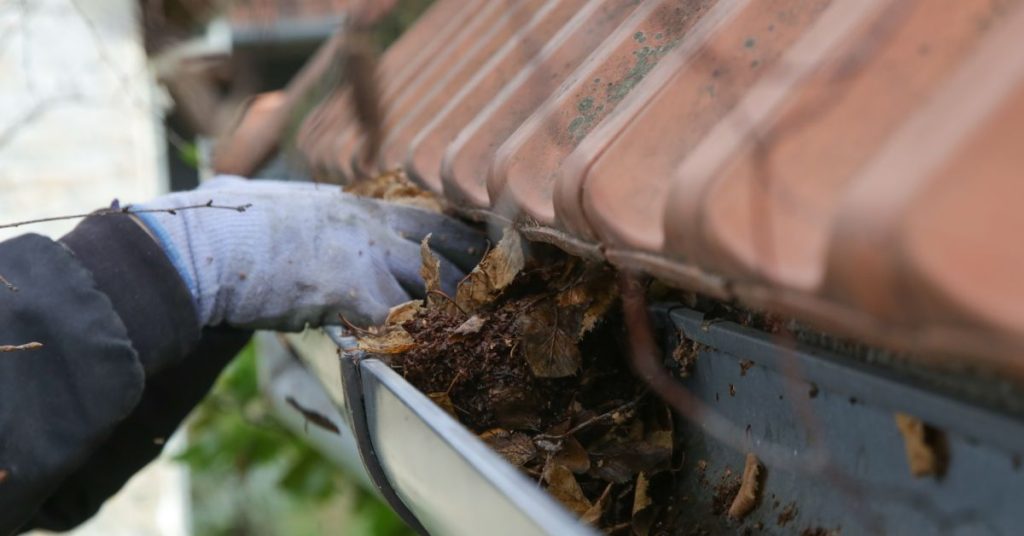
Valleys carry a large volume of water off your roof during every rain event. When they become blocked with leaves, debris, and sediment, water backs up and pushes under the adjacent tiles. Corroded or poorly seated valleys make this worse. A valley that looks fine from the ground can be the source of a persistent leak that has been baffling a homeowner for years.
Penetration Areas Around Skylights and Vents
Where anything passes through a tiled roof, whether a skylight, vent, or pipe, the surrounding tiles and sealing need to be maintained. Cracked or deteriorated seals around penetrations are a common source of leaks that get misdiagnosed because the water entry point is not where the stain appears inside. Note that we focus on tile roof repairs and do not carry out general flashing or metalwork trades, so if a penetration issue involves specialist metalwork, we will tell you that clearly during the inspection.
A silicone patch over any of these problems is not a repair. It is a delay. A proper fix identifies and addresses the actual source.
What to Do If Your Tile Roof Is Leaking Right Now
Finding water inside the house is stressful, and the instinct to get on the roof immediately and take a look is understandable. Do not do it during or after rain. Wet tiles are extremely slippery and a fall from a roof is life-changing. Here is what to do instead.
First, contain the water inside. Place buckets or towels under drip points and move anything valuable away from the affected area. Stay away from ceiling light fittings if water is near them and switch that circuit off at the board if you are unsure. Document everything with photos and video before any cleanup, especially if you intend to make an insurance claim.
Do not attempt a DIY fix with sealant or roofing tape. Temporary products applied over an active problem rarely hold, and they can make it harder to diagnose the actual cause when a proper repair is eventually carried out.
The difference between a temporary patch and a proper tile roof repair Brisbane roofers stand behind is significant. Temporary work is sometimes appropriate when access is unsafe or a full repair cannot be scheduled immediately. A proper repair finds the source, fixes it correctly, and checks the surrounding area for related issues.
Call now if water is coming through the ceiling. 0404 101 567.
DIY Check vs Professional Inspection: What You Can Safely Look For
You do not need to get on the roof to gather useful information. A careful check from inside the house and from ground level can tell you a lot before a roofer arrives.
From inside the house:
From ground level outside:
One thing worth understanding is that roof leaks travel. Water enters at one point and runs along timbers, sarking, and battens before it drips anywhere visible. A ceiling stain in the middle of a room can be traced back to a valley failure near the edge of the roof. This is why a visual check from inside or ground level gives you useful clues but rarely tells the full story.
The 60-Second Tile Roof Repair Checklist

Use this as a quick reference when assessing your roof from ground level or after a storm.
If you are ticking more than two or three of these, the roof needs an inspection rather than monitoring.
Leaking Tile Clips: The Mystery Leak Many Homeowners Miss
This one catches a lot of Brisbane homeowners off guard. Older nail-style tile clips, which are common on homes built before the widespread adoption of spring clips, have a design limitation that becomes a problem over time.
As debris accumulates on the roof, it tends to settle around the nail clips. Over seasons of rain, this debris builds up into what is effectively a small dam around each clip point. Instead of water flowing freely off the tile surface and into the valley or gutter, it backs up behind the debris and finds its way underneath the tile through the clip area.
The result is a leak that appears to have no obvious cause. Tiles look intact, pointing looks fine, valleys look clear. But water is still getting in, because the clip area has been quietly directing it under the roof surface for years.
The proper fix is not a patch. It involves clearing the watercourse around each clip, removing the debris build-up, and where appropriate replacing nail-style clips with spring clips that do not create the same debris trapping problem. We carry out roof tile re-clipping across Brisbane and it is one of those repairs that tends to solve leaks that have stumped previous tradespeople.
For more on this, see our roof tile clips service page.
Tile Roof Repair vs Restoration vs Replacement: Which Do You Need?
This is the question most homeowners end up asking, and the honest answer is that the inspection determines it, not a phone conversation or a ground-level glance. Here is a practical framework to start thinking it through.
Repair is the right call when:
The damage is isolated. A handful of cracked or slipped tiles, one section of failed pointing, a single leaking valley, localised storm damage to a specific area of the roof. The structure is sound, the problem has a defined location, and fixing that location addresses the leak.
Restoration makes more sense when:
You want to improve how your roof looks. But that is the only reason to consider it.
According to a CSIRO information sheet on concrete roofing tiles, appearance is the only factor to consider when deciding whether to paint. The tiles perform no differently with or without paint. Weathering and lichen growth cause only negligible changes to tile strength and do not significantly increase porosity. Concrete roof tiles actually become stronger and less porous with time, and the CSIRO notes that water absorption during heavy rain increases tile weight by around 5%, which is extremely unlikely to cause any structural concern. The roofs trusses are engineered to take any added weight.
If a restoration company is telling you that your tiles are porous, failing, or at risk because they have lost their surface coating, that claim is not supported by the science. Repointing, re-bedding, and valley repairs address real structural issues. Repainting addresses appearance only. We will always be clear about which category any recommended work falls into.
Replacement comes up when:
The tile system or the roof structure underneath it is beyond cost-effective repair. This applies to very old roofs with significant structural movement, widespread tile failure, or tile types that can no longer be matched or sourced. It is not a common outcome but it does happen, and we will tell you honestly if that is where your roof sits.
We do not push restoration when repairs will do the job. The inspection is where we find out which applies to your situation, and the recommendation comes with photos to support it.
What a Proper Tile Roof Repair Includes

There is a meaningful difference between a roofer who patches visible damage and one who actually fixes the problem. Here is what a proper tile roof repair looks like.
Inspection with photo evidence
Every repair starts with a full inspection of the tile surface, ridge caps, valleys, tile clips, bedding and pointing, and any areas that have had previous work done. Every issue gets photographed. You receive the photos so you can see exactly what was found and where.
Identifying the source, not just the symptom
A ceiling stain is a symptom. The source is somewhere on the roof, and finding it requires a systematic check rather than a glance at the most obvious area. We trace water paths and look for the actual entry point before quoting any repair work.
Replacing or securing tiles properly
Cracked tiles get replaced with matched tiles wherever sourcing allows. Slipped tiles get correctly reseated with the right clip type. Tiles disturbed during the repair process get checked and reset before we leave.
Addressing valleys, pointing, and clips as part of the same job
A repair that fixes one failure point while leaving adjacent issues in place is a repair that will be followed by another call-out. We check the areas around the primary repair and include any directly related issues in the scope.
No silicone patch jobs. No quick fixes that delay the problem by one wet season. If it cannot be fixed properly on this visit, we will tell you why and what the right solution looks like.
Tile Roof Repair Brisbane Service Areas
We carry out tile roof repairs across Brisbane’s southern suburbs, Bayside, and Logan. The suburbs we service regularly include:
If your suburb is not on this list, get in touch and we can confirm whether we cover your area. For the full list of locations, visit our areas we service page.
FAQ
Frequently Asked Questions
If your tile roof is showing any of the signs covered in this guide, the straightforward next step is a free inspection. You will get a clear photo report of what is actually happening on your roof, an honest recommendation, and an obligation-free quote for any work that is needed.

Small tile issues do not fix themselves. A cracked tile becomes a leak. A leak becomes ceiling damage. Catching it now is always the better outcome.